Guides
Contrast Therapy at Home: Complete How-To Guide
Learn how to pair sauna and cold plunge sessions at home with proven timing protocols, safety rules, and what the research actually supports.
Disclosure We may earn a commission from links on this page, at no extra cost to you — and we only recommend gear we'd stand behind. How this works.
Icy Hot Original Pain Relief No-Mess Roll-On, Max Strength Menthol 16%, 2.5 oz
Best for Everyday topical relief for joints, backaches, and muscle strains
The default recommendation for travelers or anyone who wants targeted, accessible topical relief without a sauna setup. The review volume at this rating is unusually high confidence.
The good
- Highest review volume in category (17,700+ reviews) — strong signal of consistent satisfaction
- No-mess roll-on applicator keeps hands clean
- Max strength 16% menthol delivers a pronounced cooling sensation
- Under $8 as of October 2026 — lowest barrier to entry in the lineup
The catch
- Topical menthol/camphor effect is not physiologically equivalent to full thermal contrast immersion
- Strong scent may be off-putting in shared spaces
- Small 2.5 oz size runs out quickly with heavy daily use
Icy Hot Original Pain Relief Cream, 3 oz
Best for Users who prefer a cream format over roll-on for larger coverage areas
Marginally higher-rated than the roll-on and a better fit if you're covering a broader muscle group like the lower back or quads. The cream format gives more control over coverage.
The good
- Highest rating in the lineup at 4.7 stars
- Cream format allows broader, more controlled application
- Menthol cooling followed by warming sensation
- Same price point as the roll-on as of October 2026
The catch
- Requires hand application — messier than roll-on
- Approximately 3,500 reviews versus 17,700 for the roll-on — smaller sample size
Icy Hot Original Pain Relief Patch, Large Size, Menthol 5%, 5-Ct., 3-Pk
Best for Hands-free, sustained relief on large areas like the back or thighs
Best for anyone who wants to apply and forget — particularly useful during work or sleep. Trade-off is a less intense sensation compared to higher-menthol formats.
The good
- Patch format provides sustained, hands-free delivery
- Large size covers substantial muscle area
- 8,000+ verified reviews at 4.6 stars — solid confidence level
- 3-pack value proposition for regular users
The catch
- Lower menthol concentration (5%) than the cream or roll-on (16%) — milder sensation
- Higher cost per use than cream or roll-on formats
- Patches may not adhere well over joints with significant movement
Icy Hot Advanced PRO Massaging Balm, Essential Oil Scent, 1.25 oz., 2-Pk
Best for Users who want a massage-application format with a more neutral scent profile
A solid pick for anyone who finds the classic Icy Hot scent overwhelming, or who wants to combine topical relief with active self-massage. Not the first choice if raw menthol intensity is the goal.
The good
- Balm format allows for self-massage during application — adds mechanical relief
- Essential oil scent is notably more tolerable for scent-sensitive users than standard Icy Hot
- 2-pack provides good value for the price
The catch
- Lowest review count in our recommended set (approximately 2,300) — less established track record
- Smallest size (1.25 oz per unit) in the lineup
- Balm texture can feel greasier than cream or roll-on options
Icy Hot Advanced Pain Relief Cream, Max Strength Menthol and Camphor, 2 oz
Best for Users who want max-strength menthol and camphor in a cream format
The advanced formula is worth the small price premium if you want the most pronounced sensation from a cream. For mild soreness, the standard cream may be difficult to meaningfully distinguish from this one.
The good
- Max-strength menthol and camphor combination — strongest thermal sensation in cream format
- 4.6 stars across approximately 1,600 reviews — credible for a newer product
- Cream format for targeted application
The catch
- Smallest size (2 oz) in the cream category — runs out faster
- Slightly higher price per ounce than the standard Icy Hot cream
- Approximately 1,600 reviews is a thinner sample than top picks
Heat, then cold, then repeat. Three words that describe contrast therapy accurately and tell you almost nothing useful about how to actually do it.
This isn’t a piece about influencer cold-plunge culture. What follows covers what the research supports, what timing protocols actually look like, how to build a home setup at any budget, and where the evidence is genuinely thin.
How Contrast Therapy Actually Works
Contrast therapy (also called contrast hydrotherapy or hot-cold therapy) is the deliberate alternation of heat and cold exposure to trigger repeated vasodilation and vasoconstriction in the peripheral blood vessels. Heat causes vasodilation—vessels widen, blood rushes toward the skin’s surface. Cold causes vasoconstriction—vessels narrow, blood redirects toward the core. Cycle between them several times and you create a pumping effect in the circulatory system.
This is distinct from simple cold water immersion (cold plunge only) or passive heat therapy (sauna alone). The alternating stimulus is the whole point.
What the Research Supports
Circulation and cardiovascular response. The vasodilation/vasoconstriction cycle is well-documented physiology. A 2016 systematic review and meta-analysis in the Journal of Strength and Conditioning Research (PubMed 27076531) found that contrast water therapy reduced perceived muscle soreness and improved recovery markers in athletes compared to passive rest—though effect sizes varied and weren’t always clinically dramatic.
Muscle recovery after exercise. A 2022 meta-analysis in Sports Medicine (PubMed 35503199) pooled data across multiple trials and found that both cold water immersion and contrast water therapy reduced delayed-onset muscle soreness more effectively than passive recovery. Contrast therapy showed comparable results to cold alone across most included studies. The authors flagged water temperature, immersion duration, and timing relative to exercise as the variables that most affected outcomes—which is the honest reason no universal “best” protocol exists.
Autonomic nervous system effects. Research suggests heat exposure influences the autonomic nervous system, and a 2018 review in Evidence-Based Complementary and Alternative Medicine (PMC5941775) documented acute cardiovascular and autonomic responses to sauna exposure in healthy adults. What repeated contrast sessions do to heart rate variability over weeks or months is less settled—studies in this area are small and short. The acute signal is real; the long-term magnitude is unresolved.
What contrast therapy does not support with any confidence: treatment for injury, chronic disease, or as a substitute for medical care. It’s a recovery and wellness practice, and the research is scoped accordingly.
How to Structure a Session: Timing Protocols
No single gold-standard protocol exists. What does emerge consistently from sports science literature is a recognizable structure.
The Standard Recovery Protocol
This is the most widely cited structure for post-exercise recovery:
- Heat phase: 10–15 minutes in sauna (80–100°C / 176–212°F) or hot bath (38–42°C / 100–107°F)
- Cold phase: 1–3 minutes in cold plunge or cold shower (10–15°C / 50–59°F)
- Repeat: 3–4 rounds total
- End on cold to close peripheral vessels and blunt post-exercise inflammation
Total session time runs 35–70 minutes depending on rounds and transitions.
The Relaxation Protocol
Some practitioners recommend ending on heat rather than cold—the logic being a more parasympathetic, calming finish better suited to evening sessions aimed at sleep quality. The evidence for that specific distinction is limited. Our read of the literature is that ending on cold is better supported for post-exercise recovery; ending on heat is a defensible choice for a wind-down session where managing acute inflammation is not the goal. Pick the one that fits the goal, not the one that sounds better.
Worth knowing in context: a University of Eastern Finland cohort study published in JAMA Internal Medicine in 2015 followed 2,315 middle-aged Finnish men and found dose-dependent associations between sauna frequency and reduced cardiovascular mortality. That’s observational data on traditional Finnish sauna practice, not a controlled trial of contrast therapy—worth knowing the difference.
Minimum Effective Dose
New to this, or time-constrained? Research suggests even two rounds—one heat, one cold—produces measurable acute effects on heart rate variability and perceived well-being in smaller pilot studies. Four rounds appears better supported. Two rounds beats zero, and that’s not a small distinction when the alternative is skipping the practice entirely.
Building a Home Setup
Full Setup: Sauna + Cold Plunge
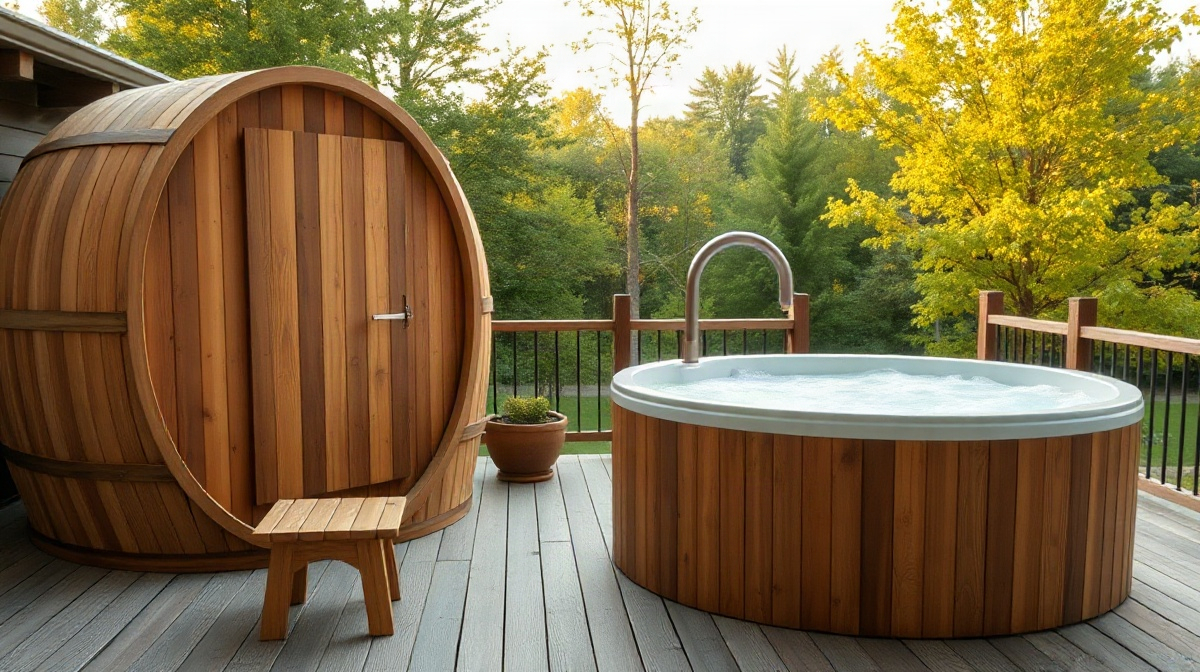
A barrel or cabin sauna paired with a dedicated cold plunge tub is the gold standard for home contrast therapy. Entry-level infrared saunas from brands like Sunlighten and Radiant Saunas start around $2,000 as of late 2026; traditional Finnish barrel saunas from Almost Heaven or Dundalk LeisureCraft run higher—check directly with the manufacturer, since this category has seen significant price movement. Cold plunge tubs built for home use range from roughly $500 for basic insulated vessels to $5,000+ for units with active refrigeration chillers. Those numbers are directional; get a current quote before budgeting.
Before buying a sauna, pull the actual spec sheet: maximum temperature (traditional units should reach at least 80°C), heater wattage relative to the room’s cubic footage, ETL or UL certification. Don’t rely on marketing copy.
For cold plunges, the critical question is whether the unit actively chills water via a refrigeration unit or relies on ice. Active chillers hold a consistent temperature without daily ice purchases. They cost more upfront and make it substantially easier to maintain a consistent protocol over time—which is, ultimately, what determines whether you actually use the thing.
Budget Setup: Hot Bath + Cold Shower
A standard hot bath filled to 40°C / 104°F—confirmed with a cheap waterproof thermometer—paired with a cold shower is a functional entry point. The temperature range matches clinical protocols reasonably well. The main limitation is the shower: hitting 10–15°C from a home tap is only realistic in colder climates or with an unusually long cold-water run. Most home showers settle around 16–20°C, which sits at the upper edge of effective cold stimulus but still triggers a meaningful physiological response.
Topical Contrast Therapy: A Different Category
Some products marketed as contrast therapy use menthol (for cooling sensation) and camphor or other warming agents to simulate a contrast effect on muscles and joints. These are not physiologically equivalent to full-body thermal immersion—they don’t cause actual vasodilation or vasoconstriction. That said, topical menthol-camphor products are widely used for localized pain relief and carry a well-established safety record. For minor muscle aches and joint soreness when a sauna and plunge aren’t available, they’re a practical option worth keeping around. The products we recommend are detailed in the section below.
Safety: What You Cannot Skip
The standard safety caveats for contrast therapy are correct and they matter, but a liability checklist doesn’t communicate why. Here’s the practical version.
Cardiovascular conditions. Heat stress raises heart rate and blood pressure acutely. Cold immersion triggers a sharp sympathetic response—heart rate spikes, blood pressure spikes with it. Going from a 95°C sauna into a 10°C plunge is a significant cardiovascular event, even for healthy adults. For anyone with hypertension, heart disease, or arrhythmias, that sequence without medical clearance carries real risk. The University of Eastern Finland sauna mortality data cuts both ways—it shows associations with benefit in regular, habituated users, not first-timers pushing extreme temperatures. Consult a physician. Not as a formality—because the physiology warrants it.
Pregnancy. Avoid hot sauna temperatures and prolonged cold immersion.
Alcohol. Never combine alcohol with sauna or cold plunge sessions. Syncope risk and cardiovascular stress are both documented concerns, and the combination is widely considered dangerous by sports medicine practitioners.
Hyperthermia and hypothermia. Stay hydrated. Cap heat phases at 15–20 minutes. Dizziness or nausea in the sauna means you exit immediately.
Children and elderly. Lower temperature ranges and shorter durations across the board. Individual tolerance varies widely.
Medications. Diuretics, beta-blockers, and certain antidepressants all affect thermoregulation. Ask a pharmacist or physician before adding contrast therapy to a regular routine.
The Brown Fat Claim
The “brown fat activation” story spreads fast and inflates expectations more than any other claim in this space. The underlying science—cold exposure activating brown adipose tissue, which generates heat—is real physiology. The leap to practical fat loss is not supported by current evidence. A 2012 paper in Extreme Physiology & Medicine (PubMed 22495739) reviewing cold water immersion physiology found real thermogenic responses but noted the evidence did not support meaningful body composition changes as a result.
The detox angle is simpler to dispatch: the liver and kidneys handle metabolite clearance. Sweat removes trace electrolytes and some urea. That’s the full list.
Topical Products Worth Knowing About
For days when a full session isn’t practical—travel, time, no equipment—topical contrast products offer accessible, localized relief for minor soreness. Note that these products do not replicate the physiological effects of thermal contrast immersion; they are a practical convenience option, not a clinical substitute.
Frequently asked questions
Should I start with heat or cold in a contrast therapy session?
Start with heat. Beginning with a sauna or hot bath dilates blood vessels and warms the musculature, making the subsequent cold phase more impactful. The conventional protocol in sports science research runs heat first, cold last — ending on cold is associated with reduced inflammation and closing of peripheral vessels after exercise.
How cold does the cold plunge need to be for contrast therapy to work?
Most research protocols use water temperatures between 10–15°C (50–59°F). Some studies show effects at up to 20°C (68°F), particularly for perceived recovery. Colder is not always better — below 10°C significantly increases discomfort and the risk of cold shock without proportionally greater documented benefit. A cheap waterproof thermometer is worth using to verify your water temperature, especially if relying on a home bath or shower.
Is contrast therapy safe for people with high blood pressure?
This is a question for your physician, not a wellness guide. Sauna heat raises heart rate and causes acute blood pressure fluctuations, and cold immersion triggers a sharp sympathetic response. Both stressors are significant for people with cardiovascular conditions. Research on sauna and cardiovascular health — notably the University of Eastern Finland cohort study published in JAMA Internal Medicine in 2015 — is generally positive for healthy adults with regular sauna habits, but anyone with diagnosed hypertension or heart disease should get medical clearance before starting.
How often should you do contrast therapy?
Most sports recovery protocols in the literature are built around 3–5 sessions per week for athletes in active training. For general wellness, 2–3 sessions per week appears to be a practical and sustainable frequency based on practitioner guidance. Daily contrast therapy is not contraindicated for healthy adults, but long-term research on daily full-session use is limited. Rest days from the practice appear at least as common as consecutive daily use among experienced practitioners.
Can contrast therapy help with DOMS (delayed-onset muscle soreness)?
Research suggests yes, modestly. A 2022 meta-analysis in Sports Medicine (PubMed ID 35503199) found that both cold water immersion and contrast water therapy reduced DOMS more effectively than passive recovery. Effect sizes were meaningful but not dramatic. Timing appears to matter: sessions within 30–60 minutes post-exercise were associated with stronger effects than sessions performed hours later, though the authors noted variability across studies.
Sources
- Contrast Water Therapy and Exercise Induced Muscle Damage: A Systematic Review and Meta-Analysis — Journal of Strength and Conditioning Research, 2016
- Cold-Water Immersion and Contrast Water Therapy for Recovery from Exercise: A Meta-Analysis — Sports Medicine, 2022
- Association Between Sauna Bathing and Fatal Cardiovascular and All-Cause Mortality Events — JAMA Internal Medicine / University of Eastern Finland, 2015
- Cold Water Immersion: Kill or Cure? — Extreme Physiology & Medicine, 2012
- Physiological Responses to Sauna Bathing: A Review — Evidence-Based Complementary and Alternative Medicine, 2018
- Icy Hot Original Roll-On Product Page — Amazon.com
- Icy Hot Original Pain Relief Cream Product Page — Amazon.com
- Icy Hot Original Large Patch Product Page — Amazon.com